CL100 Report When Selling a House in Columbia SC: What to Expect
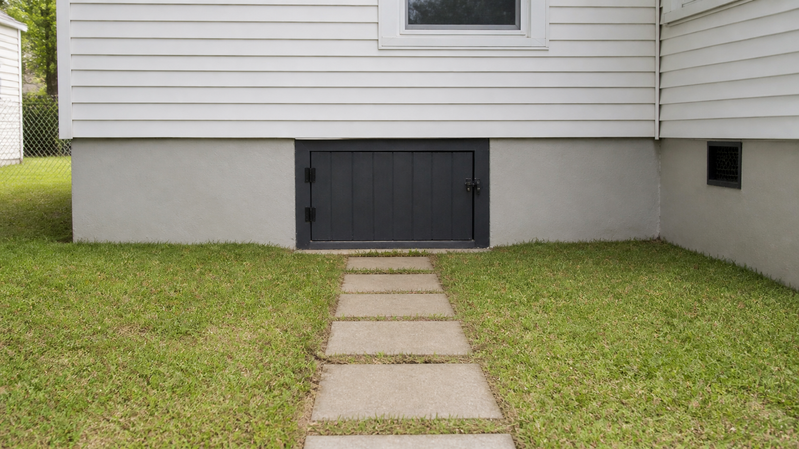
If you are selling, a CL100 report is the termite letter your buyer's lender will want before closing depending on the loan program. In most Columbia SC sales the buyer orders and pays for it, but your contract can say something different. A clean report is routine. A report that finds activity or damage means treatment, and sometimes a repair talk. Knowing that before you list keeps a small thing from turning into a deal problem.
Why I know this I see the CL100 on almost every contract I write in Richland and Lexington counties. We live in the south and with that comes humidity which attracts bugs and fungi. If you do not have a termite bond, I highly recommend getting one, it is a safe guard to protect your home and your finances.
What is a CL100 report?
It is South Carolina's standard wood infestation report. People call it the termite letter.
A licensed pest control company walks the house and fills out the form. They look at the exterior, the crawl space, the attic, the garage, and the inside.
They check for termites, powder post beetles, and wood decay. They also note things that invite trouble, like wood touching soil or damp spots. And they list anything they could not get to.
It is not a promise about the future. Hidden damage behind a wall can still be missed.
Who orders and pays for the CL100 when selling a house in Columbia SC?
Most of the time the buyer does. The lender wants it, so the buyer's side sets it up. *Depending on the loan program and area.
Your contract can change that. It also sets who picks the company. Read that part before you assume.
Some sellers order one before listing. Trust me, that can help. You find out what is there before a buyer does, so that way you are not guessing.
Gold Guard Pest, which is my go to for CL100's runs around $95-$125 at the time of posting this blog.
How long is a CL100 good for?
The state does not put an expiration date on it. Your buyer's lender and your contract usually do.
Many want the report done within about 30 days of closing. Some lenders want it closer than that. An older report may need to be redone.
So if you ordered one in the spring and you are closing in the fall, plan on a new one. Ask the buyer's lender what they accept.
What if the CL100 finds something?
This is the part sellers worry about. Take a breath.
Active termites usually mean treatment before closing. That is a normal fix, not a disaster. Visible damage is a different talk. The buyer may ask you to repair it, or ask for a credit.
Standard contracts often cap what the seller has to cover, so the number matters. Your contract spells out what you agreed to. Alot of sellers never look at that page until the report lands, so look now.
If the damage is below the first main floor, like a porch post or exterior stairs, a separate repair report may be needed after the work is done. Ask your pest company how that works so it does not hold up your closing day.
What does a CL100 cost, and does it change my price?
The report itself is a small bill next to the rest of a sale. Treatment is the bigger number if something turns up. The price depends on the house and the company, so get a quote.
It rarely changes your price on its own. What moves price is surprise. A buyer who finds damage in week two feels burned and asks for more. A seller who knew, treated it, and has the paperwork looks prepared.
In the Midlands, older homes near Lake Murray, in Forest Acres, and in West Columbia with crawl spaces get the most attention. Newer slab homes in Lexington get it too, just less drama.
What can you do before you list?
Here is the short list. None of it is hard.
Keep wood off the dirt. Firewood, lattice, and stacked boards should not touch the ground against the house.
Fix leaks and wet spots. Moisture is what wood pests and decay want most.
Clear the crawl space access. If the inspector cannot get in, the report says so, and buyers notice.
Pull back mulch from the siding. Leave a gap.
Look at decks, porch posts, and door frames. Soft wood is worth a poke with a screwdriver.
Pull old treatment paperwork. If a termite bond exists, have it handy.
Ask me or your pest company what to do about anything that looks off. Do it early.
Do you have to tell buyers about past termite problems?
In South Carolina, the Residential Property Condition Disclosure Statement asks about wood infestation and damage. You answer what you know. If something changes before closing, the law expects an update. The code is SC Code 27-50-10 and following.
I'm not your attorney or your CPA. Run this by your closing attorney before you count on it.
And remember, SC is an attorney closing state. Your attorney sees the CL100 too, so no surprises there.
Frequently asked questions
Does a clean CL100 mean my house has never had termites? No. It means the inspector saw no active signs on the day they looked. Past treatment and old damage get noted on the form.
Can I use my own pest company? Often yes, but your contract decides who picks. Some buyers and lenders want a specific company.
Will a bad CL100 kill my sale? Rarely. Most findings get treated and the sale moves on. Big damage can lead to a price talk, so the sooner you know, the better.
Should I order a CL100 before I list? It can help if the house is older, has a crawl space, or has had moisture issues. It costs little compared to a surprise in week two.
Does the CL100 cover repairs? No. It reports what is there. Repairs are a separate job and a separate negotiation.
My take Termites scare sellers more than they should. Treatment is common in the Midlands, and buyers know it. What hurts is finding out late. If you are thinking about selling in Columbia, West Columbia, or Lexington, call or text me and we can walk the house together first.
Courtney McCullough, Pawmetto Homes Team at Tzedi Co Realty. 803-307-7788.


